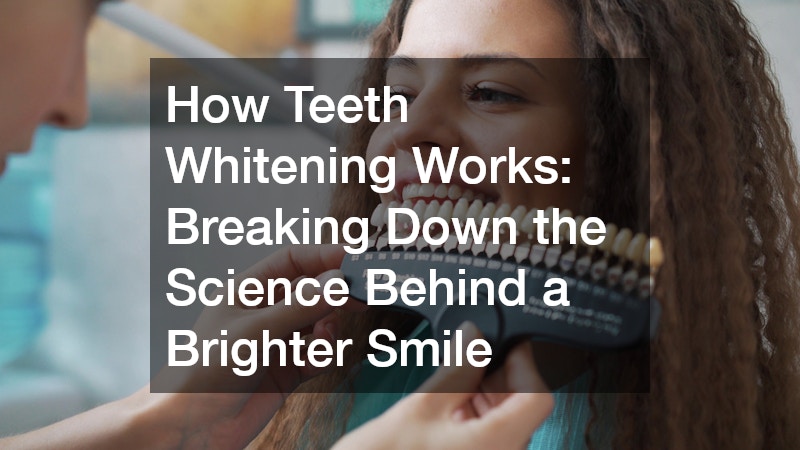

A bright smile can make a strong first impression and help people feel more confident in everyday situations. Over time, however, teeth naturally become stained or discolored. Coffee, tea, red wine, tobacco use, certain medications, and even the aging process can all affect the color of teeth. This is why many people turn to teeth whitening to improve the appearance of their smile.
While the results of teeth whitening are easy to see, many people do not understand the science behind the process. Learning how whitening treatments work can help patients make informed decisions about their dental care and understand what to expect from treatment.
What Causes Teeth Discoloration?
To understand how teeth whitening works, it helps to first understand why teeth become stained.
Teeth have several layers. The outer layer, called enamel, is strong and protects the inner parts of the tooth. Although enamel is durable, it is not completely smooth. Tiny pores on the surface can absorb pigments from foods, drinks, and other substances.
There are two main types of tooth discoloration:
Extrinsic Stains
Extrinsic stains affect the outer surface of the teeth. These stains are often caused by:
-
Coffee
-
Tea
-
Red wine
-
Dark-colored sodas
-
Tobacco products
-
Certain foods with strong pigments
Because these stains are on the outer layer, they are often easier to remove.
Intrinsic Stains
Intrinsic stains occur inside the tooth structure. These stains may result from:
-
Aging
-
Certain medications
-
Trauma to a tooth
-
Excessive fluoride exposure during childhood
Intrinsic discoloration can be more difficult to treat because the staining is located beneath the enamel.
The Science Behind Teeth Whitening
The goal of teeth whitening is to reduce stains and brighten the natural color of teeth. Most professional whitening treatments use active ingredients such as hydrogen peroxide or carbamide peroxide.
These ingredients create a chemical reaction that breaks apart stain molecules within the tooth.
When the whitening gel is applied, peroxide molecules penetrate the enamel and reach the stained areas below the surface. The oxygen released during this process breaks down large stain molecules into smaller, less visible particles. As the stain molecules become smaller, the teeth appear lighter and brighter.
Unlike some cleaning methods that simply remove surface debris, teeth whitening works by changing the appearance of stains within the tooth structure itself.
Why Professional Whitening Often Produces Better Results
Many over-the-counter products are available, but professional treatments often provide more noticeable and longer-lasting results.
Professional whitening systems typically contain stronger whitening agents than products sold in stores. Dentists also customize treatment based on the patient’s needs and monitor the process to help minimize sensitivity and other concerns.
Because the whitening gel is carefully applied and controlled, professional treatment can often produce more even results while protecting the surrounding gums and soft tissues.
What Happens During a Whitening Treatment?
Although treatment methods vary, the basic process is generally similar.
First, the dentist examines the teeth and gums to determine whether the patient is a good candidate for teeth whitening. Existing dental issues, such as cavities or gum disease, may need to be addressed before whitening begins.
Next, protective barriers are placed around the gums. The whitening gel is then applied to the teeth.
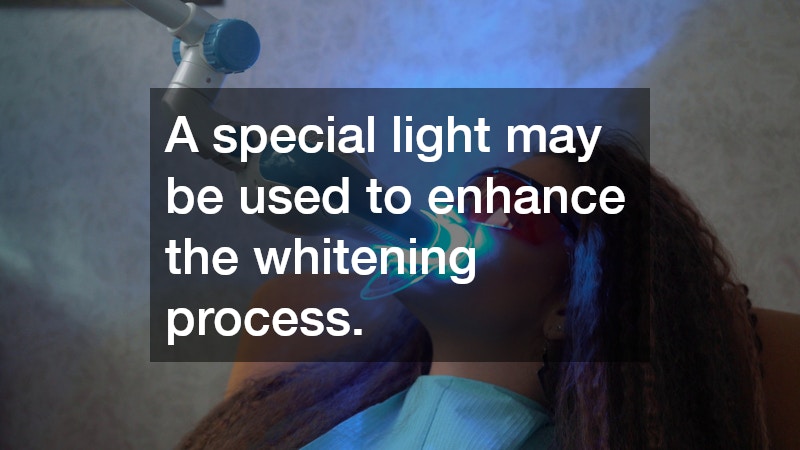
In some cases, a special light may be used to enhance the whitening process. The treatment remains on the teeth for a specific amount of time before being removed.
Many patients notice visible improvements after a single appointment, though the degree of whitening depends on the severity and type of staining.
Does Teeth Whitening Work for Everyone?
While teeth whitening can be highly effective, results vary from person to person.
Yellow-toned stains often respond very well to whitening treatments. Brown stains may also improve significantly. Gray discoloration can be more challenging to treat and may require additional cosmetic options.
Dental restorations such as crowns, veneers, and fillings generally do not respond to whitening agents. Patients with visible restorations may need to discuss alternative solutions if color matching becomes a concern.
A dental evaluation can help determine the most appropriate treatment plan for achieving the desired results.
Understanding Tooth Sensitivity After Whitening
Some patients experience temporary sensitivity following teeth whitening. This occurs because the whitening ingredients temporarily increase the movement of fluid within the tiny channels of the teeth.
Sensitivity may feel like a brief, sharp sensation when consuming hot, cold, or sweet foods and drinks.
Fortunately, this side effect is usually temporary and often resolves within a few days. Dentists may recommend specific products or adjustments to help manage sensitivity during and after treatment.
How to Maintain Whitening Results
After investing in teeth whitening, many patients want to keep their smile looking bright for as long as possible.
Several habits can help maintain results:
-
Brush and floss daily.
-
Attend regular dental cleanings.
-
Limit foods and beverages known to cause staining.
-
Use a straw when drinking dark-colored beverages.
-
Avoid tobacco products.
-
Follow any maintenance recommendations provided by the dentist.
Good oral hygiene and healthy lifestyle choices can help extend the lifespan of whitening results.
Why Teeth Whitening Continues to Be Popular
One reason teeth whitening remains one of the most requested cosmetic dental treatments is its ability to produce noticeable improvements without invasive procedures.
A brighter smile can enhance overall appearance and help people feel more confident in social and professional settings. Because treatment options are widely available and often produce visible results relatively quickly, whitening continues to be a popular choice for individuals seeking cosmetic dental improvements.
Schedule a Consultation to Learn More About Teeth Whitening
If stained or discolored teeth are affecting confidence in your smile, professional teeth whitening may be a solution worth exploring. A dental consultation can help determine the cause of discoloration, discuss available treatment options, and create a personalized plan to achieve a brighter, healthier-looking smile. Taking the first step toward a whiter smile can help you enjoy lasting results and greater confidence every day.