
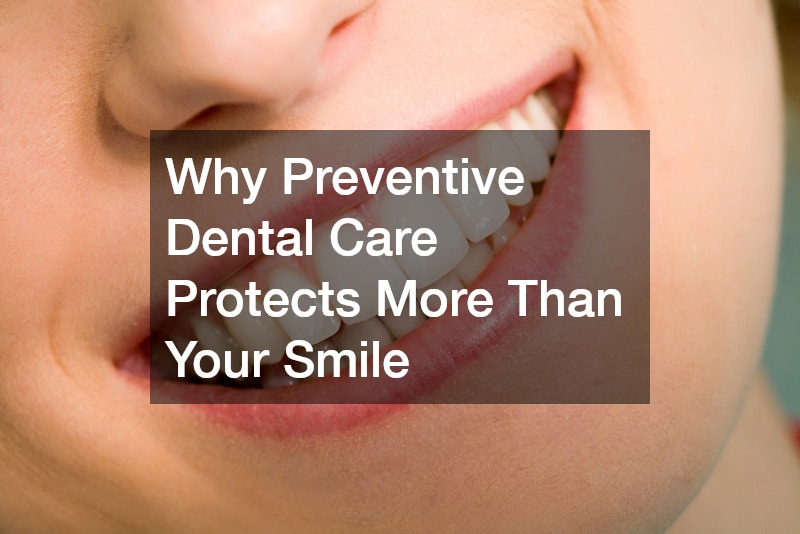
Most people do not think much about their teeth until something hurts. A sore gum, a chipped tooth, or a sudden sensitivity to cold drinks can quickly turn dental care from a routine task into an urgent concern. The trouble is that many oral health problems begin quietly. Cavities, gum inflammation, enamel wear, and bite issues can develop for months before they become obvious.
Preventive care changes that pattern. It gives people a chance to catch small concerns early, when treatment is usually simpler, less stressful, and less expensive. More importantly, it helps protect functions that affect everyday life, including eating, speaking, sleeping, and feeling comfortable in social situations.
Good prevention is not just about having clean teeth. It is about reducing risk, improving awareness, and building habits that support the body as a whole. A healthy mouth can make daily life easier in ways many people do not notice until something goes wrong.
Notice How Oral Health Affects Daily Function
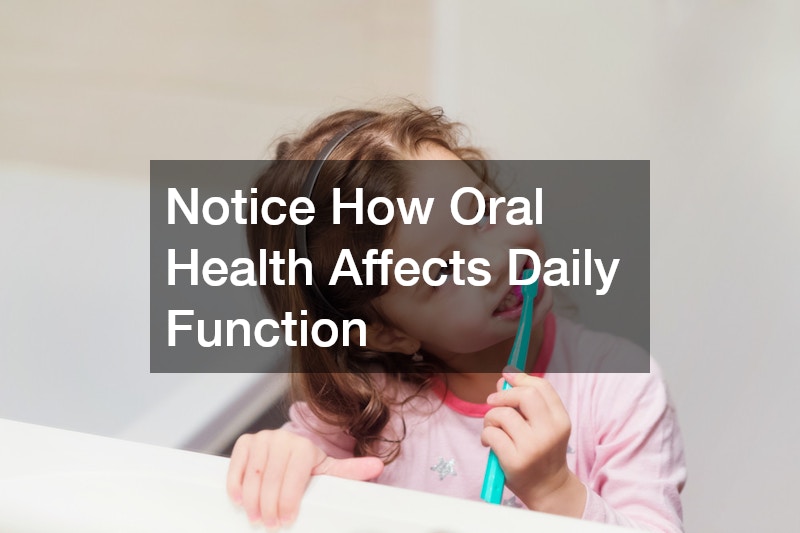
A person with healthy gums and strong teeth can usually eat without thinking about it. They can chew crisp vegetables, enjoy hot coffee, or speak in a meeting without worrying about discomfort. When oral health declines, those ordinary moments can become frustrating.
Gum disease is a good example. In its early stages, it may only cause mild bleeding when brushing or flossing. Over time, untreated inflammation can damage the tissues that support the teeth. That can lead to loose teeth, chronic bad breath, chewing problems, and infection. The effects are not limited to the mouth. Ongoing inflammation can place added stress on the body, especially for people already managing health conditions.
Routine exams help reveal changes that patients may not see at home. A hygienist may notice gum pockets getting deeper. A dentist may spot enamel erosion, early decay, grinding damage, or signs of dry mouth. These findings matter because they offer a chance to adjust habits before bigger problems develop.
When a tooth has already been damaged, a dental lab may play a quiet but important role in restoring strength and function. Crowns, bridges, and other restorations must fit properly, feel natural, and support the bite. Still, the goal of prevention is to reduce the need for that level of repair whenever possible.
Regular visits to a dentist office also create a record of change over time. One appointment gives a snapshot. Several appointments show patterns. That long-term view helps dental teams recognize whether a concern is stable, improving, or getting worse.
Build Habits That Hold Up Between Visits
Daily habits matter more than most people realize. A cleaning every six months can remove hardened buildup, but it cannot undo months of rushed brushing, skipped flossing, frequent snacking, or sugary drinks. Prevention works best when professional care and home care support each other.
A strong routine does not need to be complicated. It needs to be consistent. Brushing twice a day with fluoride toothpaste, cleaning between the teeth once a day, and drinking water after meals can make a noticeable difference. Technique matters, too. Scrubbing hard can damage gums and enamel. Gentle, thorough brushing along the gumline is usually more effective.
Many people also underestimate how much timing affects oral health. Sipping sweetened coffee for hours, grazing throughout the afternoon, or having a soda before bed gives bacteria more opportunities to produce acid. That does not mean every treat is off limits. It means frequency matters.
A local dentist can help patients personalize these habits. Someone with crowded teeth may need specific flossing tools. A person with dry mouth may need saliva-supporting strategies. Someone prone to cavities may benefit from fluoride treatments or prescription toothpaste. Prevention is more useful when it reflects the patient’s actual life, not an ideal routine that is impossible to maintain.
There is also an appearance benefit. Healthy gums, clean enamel, and stable teeth create a better foundation for future cosmetic dentistry. Whitening, bonding, veneers, and other appearance-focused treatments usually work best when the mouth is healthy first. Prevention protects the structure behind the smile, not just the surface people see.
A practical routine might look like this:
- Brush for two full minutes in the morning and before bed.
- Clean between teeth once daily with floss, picks, or another recommended tool.
- Rinse with water after acidic or sugary foods.
- Replace the toothbrush or brush head every three to four months.
- Schedule exams before discomfort becomes a problem.
Small habits are easier to maintain when they fit naturally into the day. Keeping floss near the television, brushing before getting too tired at night, or carrying sugar-free gum can help turn good intentions into steady behavior.
Respond Quickly When Small Warnings Appear

Dental problems often send quiet signals before they become emergencies. A tooth may twinge when drinking cold water. Gums may bleed once or twice a week. Food may start catching between two teeth. A jaw may feel sore in the morning. These symptoms are easy to dismiss, especially when they come and go.
The problem is that temporary relief does not always mean the issue has resolved. A cavity can stop hurting after the nerve becomes less reactive. Gum inflammation can fade for a few days and then return. Grinding pain may seem minor until a tooth cracks or the jaw muscles become chronically strained.
Bite alignment also deserves attention. Teeth that do not meet evenly can wear down faster or place pressure on certain areas. In some cases, invisalign treatment may help improve alignment and make teeth easier to clean. Straighter teeth are not only about appearance. They can reduce plaque traps, improve bite balance, and make daily maintenance more effective when treatment is appropriate.
Some warning signs deserve prompt evaluation:
- Bleeding gums that continue beyond occasional irritation
- Tooth sensitivity that lasts more than a few days
- Pain when biting or chewing
- Loose adult teeth
- Swelling in the gums, jaw, or face
- Persistent bad breath despite regular brushing
- Jaw clicking, locking, or morning soreness
There are also times when dental care should connect with medical care. A primary care doctor may need to be involved when symptoms relate to diabetes, autoimmune conditions, heart concerns, pregnancy, medication side effects, or chronic inflammation. The mouth is part of the body, and separating oral symptoms from general health can lead to missed clues.
A realistic example is a patient who keeps getting gum inflammation despite brushing well. If that person also has blood sugar issues, the solution may require both dental treatment and better medical management. Prevention becomes stronger when providers look at the whole picture.
Strengthen Your Routine With Healthier Lifestyle Choices
Oral health does not exist in isolation. Sleep, nutrition, hydration, stress, and immune function all influence the condition of the mouth. A person who is dehydrated may have less saliva, which makes it easier for bacteria and acids to linger. Someone under chronic stress may clench their jaw at night. A person who snacks frequently because of a demanding schedule may face more cavity risk.
Nutrition is especially important. Teeth need minerals, gums need nutrients, and the body needs enough protein and vitamins to repair tissue. Crunchy fruits and vegetables can support saliva flow, while calcium-rich foods help maintain strong teeth. Water remains one of the simplest tools for oral health because it helps rinse the mouth and supports saliva production.
Some people explore wellness services such as vitamin infusion as part of their broader health routine. Others visit medical spas for skin, stress, or wellness-related treatments. These services may fit into someone’s personal care plan, but they should not be treated as substitutes for dental exams, cleanings, or daily oral hygiene. A healthy lifestyle can support prevention, but it cannot remove tartar, diagnose gum disease, or repair decay.
Stress management is another overlooked part of dental care. Clenching and grinding can cause headaches, worn enamel, tooth fractures, and jaw pain. Patients may not even know they are doing it until a dentist points out flattened biting surfaces or small cracks. Nightguards, relaxation strategies, sleep improvement, and bite evaluation can all play a role depending on the cause.
The most helpful approach is not extreme. It is steady. Drink more water. Eat balanced meals. Limit constant snacking. Get enough sleep. Ask about grinding if the jaw feels tight. These choices sound basic because they are, but they often make prevention more effective.
Share Accurate Details Before Treatment Begins

Dental visits are safer and more useful when patients provide complete health information. Medications, allergies, supplements, surgeries, and medical conditions can all affect dental treatment. Even details that seem unrelated may matter.
For example, some medications cause dry mouth, which raises the risk of cavities. Blood thinners may affect bleeding during procedures. Certain bone medications can influence treatment planning for extractions or surgery. A history of heart conditions may change how a provider approaches infection risk. None of this means patients should be alarmed. It simply means accurate information helps the dental team make better decisions.
A medical record review can be especially important before more involved care. It allows providers to understand the patient’s health background, coordinate with other clinicians when needed, and avoid preventable complications. Patients should not wait for the dental team to guess. Bringing an updated medication list and sharing recent health changes can make appointments smoother.
Pharmacies can also be part of this process because they often have current medication information. If a prescription changes, a dosage is adjusted, or a new medication is added, patients should update their dental provider. This is particularly important for people taking medications for blood pressure, diabetes, anxiety, pain, osteoporosis, or autoimmune conditions.
One simple habit is to keep a note on the phone with current medications, supplements, allergies, and major health conditions. Before a dental appointment, review it for accuracy. That small step can prevent confusion and help the care team ask better questions.
Patients should also mention symptoms that may not seem dental at first, such as dry mouth, reflux, headaches, sleep changes, or jaw fatigue. These details can point to patterns that affect oral health over time.
Adjust Your Plan as Life Changes
Preventive care should change as people move through different stages of life. A teenager with braces or aligners has different needs than a parent juggling work and family schedules. An older adult with crowns, implants, dry mouth, or gum recession may need a more tailored plan. Prevention is not a one-time checklist. It is a long-term strategy.
For children, the focus is often on forming habits, preventing cavities, using fluoride properly, and protecting teeth during sports. For young adults, diet, wisdom teeth, orthodontic concerns, and busy schedules may become more relevant. For adults, gum health, grinding, restorative work, and medical conditions often move to the center of the conversation. For seniors, dry mouth, medication effects, bone support, and maintaining existing dental work can become major priorities.
The best prevention plan is realistic. A person who travels often may need portable tools and a clear plan for staying consistent away from home. Someone with arthritis may need an electric toothbrush or flossing aids. A patient with dental anxiety may benefit from shorter, more frequent visits instead of delaying care for years.
It also helps to think beyond the next appointment. Ask questions such as:
- What problems am I most at risk for?
- Are my gums improving, stable, or getting worse?
- Am I brushing too hard or missing certain areas?
- Do any of my medications affect my mouth?
- Should I change how often I schedule cleanings?
- Are there early signs of grinding, erosion, or bite stress?
These questions turn a dental visit into a planning conversation. They also help patients understand why recommendations are being made. When people know the reason behind a habit or treatment, they are more likely to follow through.
Prevention should feel practical, not punishing. It is not about perfect habits every day. It is about making good choices often enough that the mouth stays healthier over time.
Protect Your Whole Health by Starting Early

Preventive dental care works best when it starts before pain, infection, or visible damage. It gives patients more control and helps providers catch concerns while they are still manageable. That can mean a small filling instead of a crown, gum care before tooth loss, a nightguard before fractures, or better home habits before decay spreads.
The real value goes beyond appearance. Healthy teeth support nutrition. Healthy gums reduce inflammation. A stable bite protects comfort and function. Accurate health information makes treatment safer. Regular visits create continuity, which helps providers see changes before they become serious.
A smile may be the most visible part of dental care, but it is not the only part worth protecting. With consistent habits, timely appointments, and open communication, preventive care can support comfort, confidence, and better overall well-being for years to come.