

For many decades, human health was viewed through a fragmented lens. The medical community often treated the body as a collection of isolated systems, each operating independently of the others. Under this old framework, cardiovascular health, metabolic function, and mental well-being were managed in distinct silos, completely separated from the care of the teeth and gums. However, modern medical science has dismantled this separation, revealing a deeply integrated network where every system influences the next. At the center of this interconnected web lies the oral cavity, serving not just as the gateway to the digestive tract but also as a dynamic mirror reflecting and influencing overall systemic health. When individual wellness is evaluated, the condition of the mouth provides critical clues that can predict or even exacerbate issues elsewhere in the body. This realization has changed how clinical care is approached. Today, a growing number of primary doctors routinely emphasize the importance of oral hygiene to their patients, recognizing that a failure to maintain the mouth can compromise treatments for conditions as varied as diabetes and heart disease. Patients are no longer surprised to find their physicians asking about their last dental cleaning during a routine physical examination. This collaborative approach ensures that systemic vulnerabilities are caught early, fostering a more complete model of preventative wellness. The realization that oral pathogens can migrate into the bloodstream has transformed dental care from a matter of basic hygiene into a pillar of systemic disease prevention.
The Microbial Pathway from the Mouth to the Body
To understand why the mouth holds such sway over general health, one must look at the microscopic environment within the oral cavity. The mouth is home to billions of microorganisms, including hundreds of distinct species of bacteria. In a healthy state, these microbes form a protective microbiome that aids digestion and defends against external pathogens. However, when poor hygiene allows plaque to accumulate along the gumline, this balance shifts dramatically. Harmful bacteria begin to proliferate, producing toxins that trigger an immune response, leading to inflammation of the gingival tissues. Left unmanaged, this inflammation degrades the barrier separating the oral cavity from the circulatory system. Microscopic tears in the gum tissue allow aggressive bacteria to slip directly into the bloodstream. When this barrier breaks down, even the simple act of chewing can force bacteria into the blood vessels. Consequently, everyday maintenance becomes a first line of defense against systemic microscopic invasions. Once inside the blood vessels, these microbes travel throughout the body, finding new places to settle and colonize. This systemic migration explains why a person cannot compartmentalize their oral health. When seeking to manage this bacterial landscape, a regular visit to a qualified dentist becomes a crucial intervention for systemic safety. By removing calcified deposits and monitoring tissue integrity, these professionals prevent the oral microbiome from becoming a source of systemic infection. The body relies on this barrier remaining intact, as the alternative is a continuous leakage of inflammatory agents into vital organs, silently stressing the immune system day after day.
Chronic Inflammation and Its Hidden Triggers

The primary mechanism linking oral disease to systemic illness is chronic inflammation. While acute inflammation saves lives during injury, chronic low-grade inflammation slowly damages healthy tissues over the years. Periodontal disease functions as a perpetual faucet of inflammation. It never stops. When the immune system is constantly fighting a chronic infection in the gums, it releases a steady stream of inflammatory signaling proteins, such as C-reactive protein, into the cardiovascular system. This state accelerates arterial plaque buildup, increasing the risk of heart attacks and strokes. Medical researchers have noted that treating periodontal issues often results in a measurable drop in systemic inflammatory markers. This biological relief can lessen the overall workload on the heart and blood vessels significantly. This systemic strain also complicates metabolic control. For individuals living with diabetes, chronic oral infections make blood sugar regulation significantly more difficult, as systemic inflammation interferes with insulin efficiency. Conversely, high blood sugar weakens the body’s ability to fight off oral infections, creating a harmful, self-reinforcing cycle. Many individuals only seek assistance when they experience acute tooth pain, unaware that the underlying bacterial infection may have been quietly stressing their cardiovascular and metabolic systems for months or even years prior. Waiting for discomfort to manifest means allowing silent inflammation to erode systemic vitality without intervention, proving that proactive assessment is vital for keeping the entire body functioning smoothly.
The Structural Link Between Jaw Alignment and Wellness
While oral microbes receive significant attention, the structural configuration of the mouth equally impacts physical well-being. The alignment of the jaw, the positioning of the arches, and the relationship between the upper and lower teeth influence mechanical functions far beyond simple chewing. A misaligned bite creates uneven force across facial muscles and temporomandibular joints. This muscular imbalance frequently triggers chronic tension headaches, upper back stiffness, and persistent neck pain that defies traditional physical therapy. Furthermore, poor jaw alignment can alter the posture of the head and neck, causing the body to compensate in ways that strain the lower back. Resolving these mechanical faults improves daily physical comfort and vitality. More critically, structural issues within the mouth can directly compromise the upper airway during sleep. A narrow arch or a retrognathic jaw can cause the tongue and soft tissues to collapse backward during rest, obstructing airflow and leading to obstructive sleep apnea. This condition deprives the brain of vital oxygen and places immense stress on the heart. The consequences can be severe. Addressing these underlying structural imbalances requires the specialized intervention of orthodontics, which focuses on guiding bone growth and tooth movement into a biologically harmonious position. By optimizing the mechanics of the bite, these corrective strategies open up restricted airways, relieve neuromuscular strain, and reduce the systemic wear and tear caused by sleep deprivation and chronic muscle tension.
Precision Engineering in Modern Oral Care
The success of structural alignment treatments depends heavily on a highly technical, behind-the-scenes collaborative process. Moving teeth safely and reshaping the dental arches requires an intimate understanding of biomechanics and material science. Every device altering oral architecture must match unique anatomical specifications down to the millimeter. This level of customization is achieved through close communication between clinical practitioners and a specialized orthodontic lab, where technicians use digital impressions and advanced computer-aided design software to manufacture therapeutic appliances. The materials selected must be biocompatible and capable of enduring thousands of pounds of biting pressure over time. This careful planning guarantees that every shift in tooth position aligns perfectly with natural jaw movements. Whether creating an expansion device to widen a constricted palate or a sequential series of clear aligners to correct a traumatic bite pattern, these facilities bridge the gap between clinical theory and tangible health outcomes. The precision of this engineering directly impacts how comfortably and efficiently a patient’s anatomy responds to treatment. When an appliance is crafted with exact structural accuracy, it reduces the risk of root resorption, prevents unnecessary tissue irritation, and ensures that the forces applied to the craniofacial complex promote long-term stability rather than localized strain, illustrating how closely clinical outcomes are tied to laboratory precision.
The Developmental Benefits of Early Alignment
When initiated during childhood, structural interventions amplify systemic benefits exponentially. During these formative years, the bones of the face and jaw are still developing, offering a unique window of opportunity to guide growth patterns before the cranial sutures fuse permanently. Correcting crowded arches, severe overbites, or crossbites during youth does more than ensure a straight smile; it actively shapes the development of the nasal passages and the pharyngeal airway. Children who breathe through their mouths due to structural restrictions often suffer from poor sleep quality, which can manifest as behavioral challenges, decreased academic performance, and altered facial development. By utilizing traditional braces or modern orthopedic appliances early in life, clinicians can expand narrow palates, encouraging proper nasal breathing and healthy tongue posture. When a child can breathe easily through their nose at night, their deep sleep cycles remain uninterrupted. This deeper rest supports healthy growth hormone production and emotional regulation throughout their developmental years. This proactive structural guidance sets a foundation for lifelong respiratory health, reducing the likelihood of developing severe sleep disturbances in adulthood. Establishing a balanced bite early also protects the permanent teeth from uneven wear, reduces the risk of accidental trauma to protruding incisors, and ensures that the jaw joints develop symmetrically, preventing chronic degenerative joint diseases later in life.
Restoring Functionality for Longevity and Nutrition

As the body ages, permanent tooth loss ripples through a person’s physical existence, affecting nutrition and bone structure. Missing teeth compromise the ability to chew fibrous, nutrient-dense foods properly, forcing many individuals to shift their diet toward softer, heavily processed options that are high in simple carbohydrates and low in essential vitamins. This dietary shift can contribute to nutritional deficiencies, gastrointestinal issues, and poor glycemic control. The inability to eat comfortably often leads to a subtle withdrawal from social dining experiences, which can erode an older adult’s emotional health. Restoring structural integrity allows individuals to enjoy meals with friends again. Bone health suffers too. Additionally, the jawbone requires the mechanical stimulation of chewing to maintain its density; when teeth are lost, the underlying bone begins to resorb, leading to changes in facial structure and a weakened jaw. To combat these systemic declines, replacing missing teeth with a high-quality denture or implant-supported prosthesis becomes essential for maintaining physical vitality. Restoring the mechanical capacity to chew allows individuals to sustain a diverse, healthy diet that supports digestion and immune function. Additionally, prosthetic restoration supports the natural vertical dimension of the face, keeping the jaw joints aligned and preventing the collapse of the surrounding soft tissues, which can otherwise impede clear speech and compromise swallowing mechanics.
Comprehensive Care for Every Generation
Managing the diverse array of microbiological and structural factors that influence systemic health requires a reliable, continuous relationship with a clinical practice capable of overseeing long-term development. Because oral health needs shift dramatically from early childhood through the senior years, having a singular practitioner who understands a family’s genetic predispositions and medical history is invaluable. A trusted family dentist serves as the primary coordinator for this lifelong journey, monitoring oral developments, tracking systemic risk factors, and intervening before minor issues escalate into major health crises. This continuity of care prevents critical health details from slipping through the cracks when a patient moves from adolescence into adulthood. A provider who knows your medical history can spot subtle shifts instantly. This ongoing relationship fosters deep trust, which reduces clinical anxiety and encourages consistent attendance at routine examinations. By observing how oral conditions manifest across different members of the same household, these practitioners can identify shared dietary habits, environmental influences, or genetic traits that might place certain family members at higher risk for periodontal disease or alignment issues. This holistic overview ensures that preventative strategies are personalized, proactive, and thoroughly integrated into the household’s broader approach to health and longevity.
The Preventative Approach to Long-Term Wellness
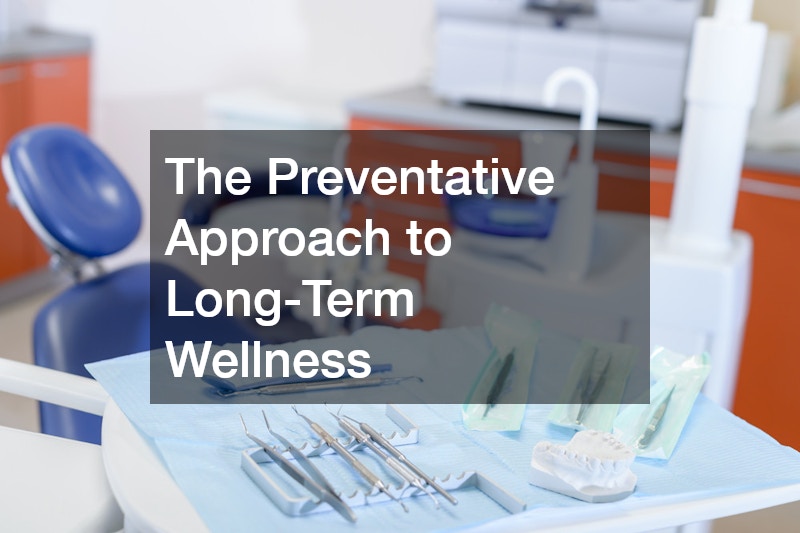
The foundation of any robust strategy linking oral health to general systemic longevity rests on the consistent utilization of professional preventative maintenance. Routine home care is critical, but it cannot duplicate the specialized removal of calcified biofilms that form in inaccessible areas beneath the gumline. Engaging with comprehensive dental services on a biannual basis ensures that early signs of tissue degradation, demineralization, and mucosal abnormalities are detected long before they cause systemic complications. These routine appointments also provide a vital opportunity to screen for early signs of oral tissue changes that might otherwise go unnoticed. Catching these cellular variations early can prevent serious systemic health challenges down the road. These clinical visits involve deep scaling, diagnostic imaging, and personalized risk assessments that evaluate how a patient’s lifestyle, prescription medications, and systemic conditions intersect with their oral health. For instance, many common medications prescribed for blood pressure or mental health reduce salivary flow, which eliminates the mouth’s natural defense mechanism against acid and bacteria. Through regular clinical oversight, professionals can introduce therapeutic rinses, protective sealants, and custom hygiene protocols to counteract these systemic side effects, ensuring the mouth remains a protective shield rather than a vulnerability.
Empowering Health Through Aesthetic Confidence
Beyond the biological and mechanical dimensions of wellness, the visual appearance of a smile exerts a powerful influence on psychological health, social interaction, and overall quality of life. Human beings are deeply social creatures, and the willingness to smile openly affects interpersonal bonding, professional confidence, and self-esteem. When individuals feel self-conscious about their teeth, they often cover their mouths or withdraw from social situations entirely. This chronic self-consciousness can induce persistent psychological stress, elevated cortisol levels, and social isolation, which negatively impact cardiovascular health and mental well-being over time. When a person stops hiding their smile, their external interactions change, reducing the chronic social stress that quietly elevates blood pressure. True health, therefore, encompasses both physical soundness and emotional freedom. Modern advancements in cosmetic dentistry now offer reliable solutions that go far beyond superficial enhancements. By utilizing conservative bonding, porcelain restorations, and advanced whitening techniques, clinicians can rebuild damaged dental structures while respecting natural anatomy. Restoring the visual harmony of a smile frequently provides a profound psychological lift, reducing social anxiety and empowering individuals to engage more fully with the world around them, proving that emotional well-being is deeply intertwined with dental health.