

Why Your Smile Deserves Attention and Care
A smile is more than just an arrangement of teeth—it’s one of the most expressive parts of your face. It communicates confidence, warmth, and approachability, often before a word is even spoken. Yet, many people struggle with oral issues that affect not just appearance but also health, such as discoloration, misalignment, missing teeth, or worn-down enamel.
Modern dentistry has evolved to offer solutions that go far beyond simple cosmetic improvements. Today’s treatments are designed to create smiles that are both beautiful and functional, supporting long-term oral health while enhancing appearance.
Whether your goal is to brighten your teeth, fix alignment issues, replace missing teeth, or combine multiple procedures into a full smile makeover, understanding your options and how to maintain them is key. This comprehensive guide explores preventive, restorative, and cosmetic dentistry in depth. You’ll find actionable steps, tips for long-term care, and insights into planning a smile makeover tailored to your unique needs.
How to Build Strong Oral Health That Lasts

A strong, healthy foundation is essential for any smile makeover. Without proper preventive care, even the most advanced cosmetic procedures can fail over time. Preventive dentistry is not just about avoiding cavities—it’s about creating an environment where teeth, gums, and surrounding bone remain healthy and resilient.
Daily Habits for Strong Oral Health
Maintaining oral health starts at home with daily habits:
- Brushing: Use a fluoride toothpaste and a soft-bristle brush at least twice daily. Brush all tooth surfaces in gentle, circular motions to remove plaque without damaging enamel.
- Flossing: Daily flossing removes food particles and plaque in areas a toothbrush can’t reach, preventing decay between teeth.
- Mouthwash: An antiseptic or fluoride mouthwash reduces bacteria, strengthens enamel, and helps prevent gum disease.
- Diet: Limit sugar and acidic foods, which accelerate enamel erosion and cavities. Include foods rich in calcium and phosphorus to strengthen teeth.
- Hydration: Drinking water maintains saliva flow, which naturally protects teeth from bacteria and acids.
Preventive care also includes understanding the role of gum health in overall dental wellness. Healthy gums act as a protective barrier, preventing bacteria from reaching the roots of teeth and the jawbone. Gum disease can lead to tooth loss if left untreated, and even mild inflammation can compromise the results of cosmetic or restorative procedures.
Additional preventive strategies include:
- Oil pulling and gentle rinses: While not a replacement for brushing, rinsing with coconut oil or an antiseptic mouthwash can reduce bacterial load.
- Tongue cleaning: The tongue harbors bacteria that can contribute to bad breath and plaque buildup. A simple tongue scraper each morning can improve oral health.
- Regular evaluation of oral habits: Nail-biting, chewing pens, or clenching teeth can cause microfractures in enamel, which, over time, affect smile aesthetics.
For busy professionals, maintaining oral health may require creative solutions, such as carrying travel-size brushes and floss, scheduling quick lunchtime hygiene routines, or using portable water flossers. Preventive dentistry isn’t about spending hours daily; it’s about consistency and smart habits.
Professional Preventive Care
- Regular Checkups: Visit your dentist every six months for cleanings and examinations. Early detection of decay, gum disease, or other issues prevents extensive treatment later.
- Professional Cleanings: Dentists can remove tartar and plaque that brushing alone cannot, reducing the risk of cavities and gum inflammation.
- Custom Guidance: Discuss your oral habits, diet, and preventive care strategies with your dentist to create a tailored routine.
Investing in preventive dentistry not only preserves your natural teeth but also maximizes the longevity and effectiveness of cosmetic treatments like veneers, whitening, and implants.
Creating a Customized Smile Plan That Works for You
Every smile is unique, and a personalized approach is crucial. Without careful planning, a smile makeover may not achieve the desired results or could even compromise oral health.
Steps to Develop Your Plan
- Comprehensive Evaluation: Assess your teeth, gums, bite alignment, and overall oral health. Identify any functional issues, such as cavities, worn enamel, or misaligned teeth.
- Define Your Goals: Decide what changes you want, whether it’s whiter teeth, a straighter smile, or replacement of missing teeth.
- Consult a Cosmetic Dentist: A professional can recommend treatments tailored to your dental health and aesthetic goals.
- Prioritize Health First: Address decay, gum disease, or missing teeth before purely cosmetic procedures.
- Visualize Your Results: Many dentists offer digital imaging or mock-ups to preview your potential smile.
Additional Considerations
- Budget and Timeline: Understand costs and duration for treatments. Some procedures may be staged over several months.
- Lifestyle Impact: Consider how aligners, dentures, or other treatments may affect your daily life.
- Maintenance Requirements: Discuss long-term care to ensure your results last.
A well-thought-out plan ensures your smile makeover is both safe and effective while aligning with your expectations.
Achieving a Straighter Smile with Modern Techniques
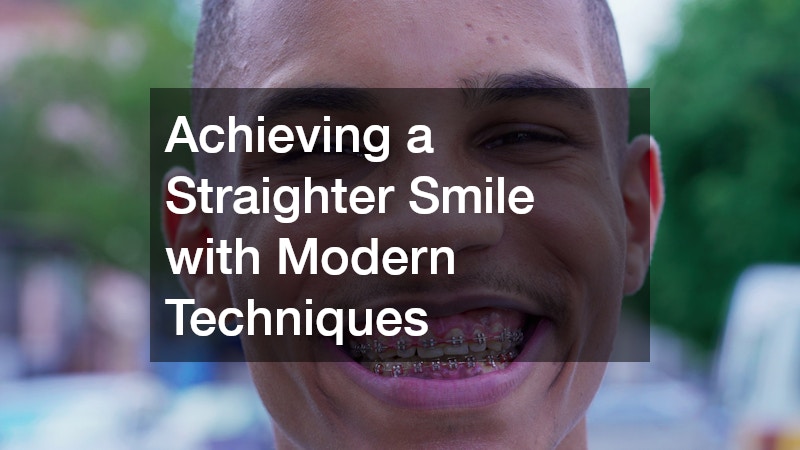
Crooked teeth can affect not only appearance but also oral health. Misaligned teeth can create hard-to-clean areas, leading to plaque buildup, decay, and gum disease. Straightening your teeth improves both aesthetics and hygiene.
Options for Straightening Teeth
- Traditional Braces: Brackets and wires gradually shift teeth into alignment. They are effective for complex misalignments.
- Clear Aligners: Removable, nearly invisible, and easier to maintain. Ideal for adults and teens who prefer discreet treatment.
- Invisalign: A popular clear aligner system that gradually moves teeth with a series of custom trays.
Tips for Success
- Consistent Wear: Aligners typically need 20–22 hours per day. Skipping time can extend treatment.
- Oral Hygiene: Remove aligners while eating and clean both trays and teeth before reinserting.
- Follow-Up Visits: Regular checkups allow your dentist to track progress and make adjustments.
Real-world example: Sarah, a 32-year-old professional, used Invisalign to correct mild crowding. By wearing aligners consistently and following hygiene instructions, she completed her treatment in 12 months, achieving a straighter smile without traditional braces.
Straightening is often combined with whitening or veneers to maximize the overall impact of a smile makeover.
Effective Strategies for a Radiant, Stain-Free Smile
A bright smile boosts confidence, but teeth naturally discolor over time due to food, drink, smoking, and aging.
Whitening Options
- Professional In-Office Whitening: Fast results, often lightening teeth several shades in a single visit.
- Take-Home Kits: Custom trays allow gradual whitening under professional guidance.
- Over-the-Counter Products: Strips, toothpaste, and gels can maintain brightness but are less effective for deep stains.
Tips for Maintaining a White Smile
- Avoid foods and drinks that stain teeth, like coffee, tea, and red wine.
- Brush and rinse after consuming substances that can cause stains.
- Schedule touch-up treatments periodically for long-lasting results.
Real-world example: Michael wanted a brighter smile before his wedding. He underwent in-office whitening followed by at-home maintenance, achieving a noticeable improvement in two weeks while maintaining enamel health.
Teeth whitening pairs well with other treatments, such as veneers or crowns, to create a uniform, flawless smile.
Restoring Function and Appearance with Durable Solutions

Damaged or missing teeth can affect chewing, speech, and confidence. Restorative dentistry provides functional solutions that also enhance appearance.
Common Restorative Treatments
- Dental Crowns: Caps placed over damaged teeth to restore strength, shape, and appearance.
- Dental Bridges: Replace missing teeth by anchoring artificial teeth to adjacent natural teeth.
Tips for Longevity
- Maintain diligent oral hygiene around restorations.
- Avoid biting hard foods that can damage crowns or bridges.
- Wear a nightguard if you grind your teeth to prevent wear.
Real-world example: Emily lost a molar due to decay. A dental bridge restored her bite and smile, allowing her to eat comfortably and maintain her confidence.
Restorative procedures not only repair damage but also protect surrounding teeth and jaw structure, forming a crucial part of any smile makeover.
Replacing Missing Teeth Permanently and Naturally
Missing teeth can cause bone loss, shifting of remaining teeth, and difficulty eating. Dental implants offer a long-term, natural-looking solution.
Dental implants have several variations designed to suit individual needs:
- Single-tooth implants replace a single missing tooth without affecting the surrounding teeth.
- Implant-supported bridges replace multiple teeth with fewer implants, reducing cost and surgery time.
- Full-arch implants (All-on-4 or All-on-6) can restore an entire upper or lower arch of teeth in a single procedure, providing stability similar to natural teeth.
The implant process involves multiple steps: initial consultation, placement of the titanium post into the jawbone, a healing period (usually 3–6 months), and final placement of a crown or bridge. During healing, bone integrates with the implant—a process called osseointegration—which is key to the implant’s strength and longevity.
Patients should also understand long-term care: avoiding hard foods immediately after placement, maintaining excellent hygiene around the implant, and attending routine checkups to prevent peri-implantitis, a condition similar to gum disease but affecting the implant.
Advantages of Dental Implants
- Function as artificial roots, integrating with the jawbone for stability.
- Support single teeth, bridges, or full arches.
- Prevent bone loss and maintain facial structure.
Maintenance Tips
- Maintain oral hygiene around the implant to prevent infection.
- Avoid smoking, which can affect healing and implant longevity.
- Attend regular checkups to monitor your implant’s health.
Real-world example: Tom had multiple missing teeth and was considering dentures. Implants provided a permanent solution, restoring his bite and confidence while preventing jawbone deterioration.
Dental implants are often the most durable option for replacing missing teeth, making them a cornerstone of comprehensive smile makeovers.
Transforming Your Smile with Custom Veneers
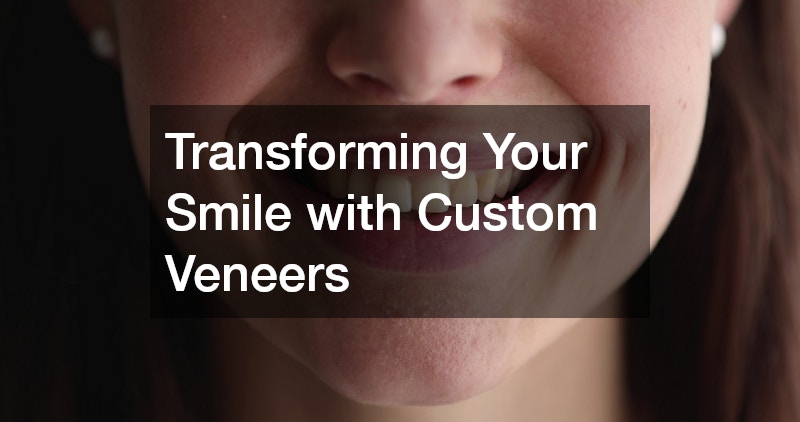
Porcelain veneers are thin shells placed over teeth to improve aesthetics, including color, shape, and minor alignment issues.
Porcelain veneers are just one option in a spectrum of cosmetic solutions. Alternatives include composite veneers, which are less expensive and can be applied in a single visit, though they are not as durable. During the veneer process, the dentist prepares the tooth by removing a thin layer of enamel, ensuring the veneer adheres correctly without appearing bulky.
Patients should also be aware that veneers are a long-term investment: avoiding habits such as nail-biting or ice chewing helps preserve their appearance. Combined with whitening, orthodontics, or minor restorative procedures, veneers can be the finishing touch in a full smile makeover, providing uniformity, brightness, and natural contours.
Considerations for Veneers
- Select shape, size, and color to complement facial features.
- Work with a skilled cosmetic dentist to ensure a precise fitting.
- Expect multiple visits for consultation, preparation, and placement.
Care Tips
- Maintain daily oral hygiene.
- Avoid biting hard objects to prevent chipping.
- Schedule regular dental checkups to monitor the condition.
Real-world example: Rachel had chipped and discolored front teeth. Porcelain veneers provided a natural, bright, and uniform appearance, transforming her smile and boosting her confidence.
Veneers are highly versatile and can be combined with whitening and alignment treatments for optimal results.
Integrating Treatments for the Best Results
A comprehensive smile makeover often involves combining multiple treatments.
Planning an Integrated Approach
- Address functional issues before cosmetic procedures.
- Sequence treatments logically: align teeth, whiten, then apply veneers or crowns.
- Collaborate with cosmetic and restorative specialists for long-term success.
Benefits
- Improved bite and chewing function alongside aesthetic enhancements.
- Reduced risk of damage to restorations.
- Natural, balanced final appearance.
Real-world example: John needed alignment correction, whitening, and several crowns. By properly sequencing the treatments, he achieved a healthy, natural, and confident smile in less than 18 months.
Maintaining Your Smile Makeover for the Long Term

A smile makeover is an investment—long-term maintenance is essential to preserve results.
Daily Habits
- Brush twice daily with fluoride toothpaste.
- Floss daily to prevent decay around restorations.
- Use mouthwash to reduce bacteria and maintain gum health.
Professional Care
- Regular cleanings and checkups every six months.
- Follow the dentist’s instructions for crowns, bridges, veneers, and implants.
- Address any dental issues immediately to prevent complications.
Lifestyle Adjustments
- Limit sugary and acidic foods.
- Avoid habits like nail-biting or chewing pens.
- Wear protective gear during sports to reduce the risk of injury.
Preventive dentistry remains critical even after a smile makeover. Ongoing care ensures your investment lasts for decades.
Take Charge of Your Smile and Confidence
Your smile reflects not just your oral health but your self-esteem and personality. A comprehensive approach, including preventive care, restorative solutions, and cosmetic enhancements, ensures a smile that is beautiful, functional, and long-lasting.
Careful planning, professional guidance, and diligent maintenance are essential. By taking proactive steps today, you can achieve a smile makeover that enhances your appearance, supports your oral health, and boosts your confidence for years to come.
Your smile is an expression of your best self—invest in it wisely, and it will serve you for a lifetime.